Is Morocco Safe to Travel?
If you’re wondering “Is Morocco safe to travel?”, the short answer is yes—Morocco is generally a safe country for tourists, including first-time visitors, families, solo travelers, and Americans. Morocco has a long-established tourism industry, strong security presence in major cities, and a reputation for warm hospitality toward foreign visitors. Millions of travelers visit Morocco every year without experiencing serious safety issues.
That said, like any popular travel destination, Morocco is not completely risk-free. Most safety concerns travelers encounter are minor and non-violent, such as petty theft, scams in busy tourist areas, or unwanted attention in crowded medinas. Serious crime against tourists is rare, and violent incidents are uncommon, especially in well-known destinations like Marrakech, Fes, Casablanca, and Tangier.
For those asking “Is it safe to travel to Morocco right now?”, Morocco remains politically stable with ongoing efforts to ensure visitor safety. Tourist areas, hotels, airports, and transportation hubs are well monitored, and the country is considered one of the safest destinations in North Africa. Travelers who take basic precautions—such as staying aware of their surroundings and respecting local customs—can enjoy Morocco safely and comfortably.
This complete safety guide will help you understand how safe Morocco really is, what risks to be aware of, and how to avoid common travel problems. Whether you’re planning a short city break, a desert tour, or a long cultural journey, this guide covers everything you need to know to travel Morocco with confidence.
How Safe Is Morocco for Tourists?
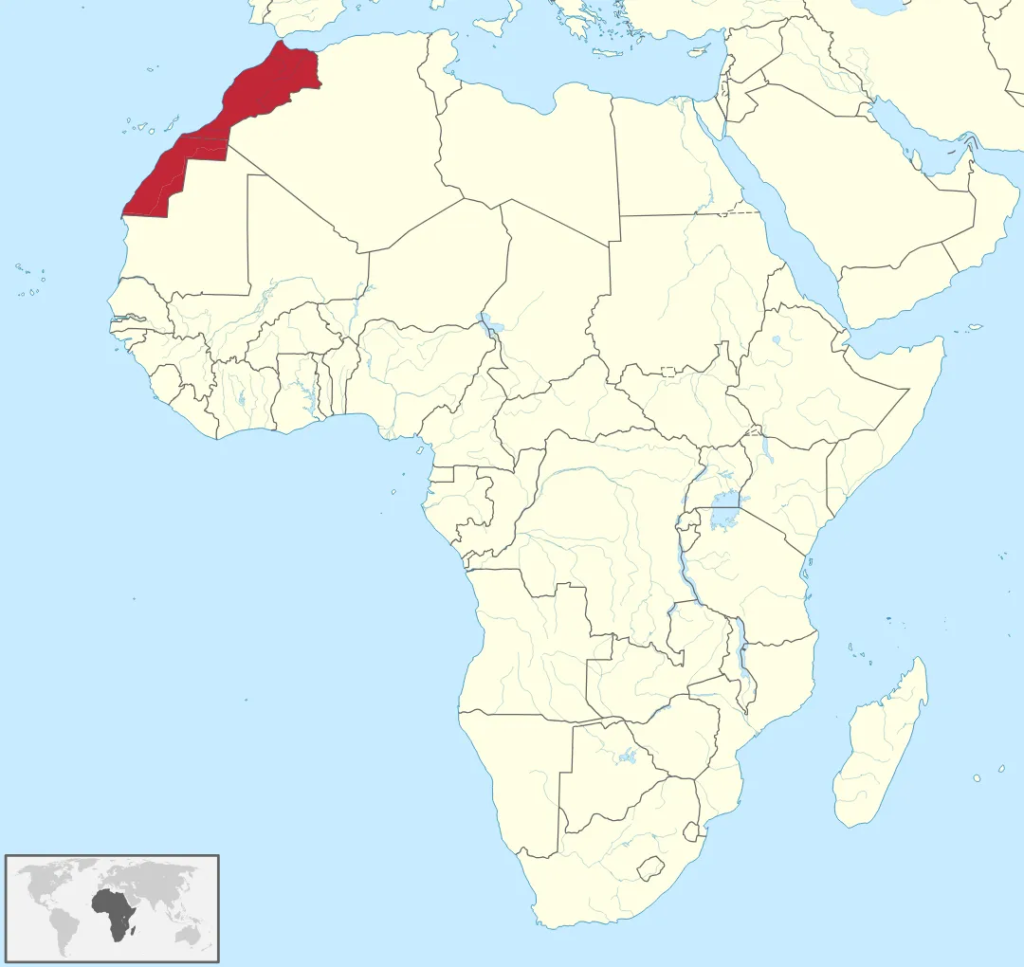
Morocco is considered one of the safest countries in North Africa for tourists, welcoming millions of international visitors every year. The country has a well-developed tourism infrastructure and places a strong emphasis on visitor security, especially in popular destinations such as Marrakech, Fes, Casablanca, Rabat, Tangier, and Chefchaouen. For most travelers, a trip to Morocco is safe, enjoyable, and trouble-free.
Violent crime against tourists is very rare in Morocco. The most common safety issues travelers encounter are petty theft, pickpocketing, and tourist scams, particularly in crowded medinas, markets, and busy squares. These incidents are usually non-violent and can be avoided by staying alert, keeping valuables secure, and using licensed guides or transportation services.
Morocco also benefits from political stability and a visible police presence, especially in tourist areas, hotels, airports, and transport hubs. Special tourist police units operate in major cities to assist visitors and help prevent crime, which further enhances overall safety for travelers.
Overall, Morocco is a safe destination for tourists who use common sense and respect local customs. Whether you’re visiting for culture, adventure, food, or history, travelers who stay informed and prepared can explore Morocco with confidence and peace of mind.
Overall Safety Rating of Morocco
Morocco has a high overall safety rating for tourists, making it one of the most secure and visitor-friendly destinations in North Africa. For most travelers, Morocco is safer than expected, especially when compared to many other popular international travel destinations. The vast majority of visitors complete their trips without experiencing any serious safety issues.
From a tourism perspective, Morocco scores well in key safety areas such as political stability, low levels of violent crime, and strong security in tourist zones. Major cities, cultural sites, airports, and hotels are well protected, and dedicated tourist police operate in popular destinations to assist visitors and deter crime. This contributes significantly to Morocco’s positive safety reputation.
The most common risks for tourists are minor and manageable, including pickpocketing, aggressive sales tactics in markets, or small scams targeting visitors. These incidents are usually non-violent and can be easily avoided with basic precautions like staying aware of your surroundings, avoiding isolated areas at night, and securing personal belongings.
Overall, Morocco is best described as a generally safe and welcoming country for tourists. Travelers who follow standard travel safety practices and respect local customs can expect a smooth and enjoyable experience, whether visiting cities, coastal towns, or desert regions.
Is Morocco Safe Compared to Other Countries?
When compared to many other popular travel destinations, Morocco is considered a safe country for tourists, especially within North Africa and the Middle East. In fact, Morocco often ranks as safer than many countries in the region due to its political stability, strong security measures, and long-standing focus on tourism protection.
Compared to some European and North American cities, Morocco generally experiences lower levels of violent crime against tourists. Incidents involving visitors are far more likely to involve petty theft or scams rather than serious crime. In contrast, violent street crime, which affects tourists in some major global cities, is relatively uncommon in Morocco’s tourist areas.
Within Africa, Morocco stands out as one of the most stable and well-policed destinations. Cities like Marrakech, Rabat, and Fes are considered safer for travelers than many urban centers elsewhere on the continent. When compared to neighboring countries, Morocco consistently receives positive safety assessments from international travelers and travel authorities.
Overall, while no country is completely risk-free, Morocco compares favorably to many destinations worldwide. Travelers who apply the same level of awareness they would use in Europe or the United States will find Morocco to be equally safe—or in some cases safer—than expected, making it a reliable choice for international travel.
How Dangerous Is Morocco Really?
Morocco is not a dangerous country for tourists, and its reputation is often safer than many travelers initially expect. Serious crime involving visitors is very rare, and the vast majority of tourists experience Morocco without any major safety problems. For most people, the idea that Morocco is dangerous comes from misconceptions rather than real risks.
The main issues travelers may face are petty crimes, such as pickpocketing, bag snatching, or tourist scams in crowded areas like medinas and busy squares. These incidents are typically non-violent and can be avoided by staying alert, keeping valuables secure, and avoiding poorly lit or isolated areas at night.
Morocco also maintains a strong security presence, especially in tourist zones, major cities, airports, and transportation hubs. The government places high importance on tourism safety, and special tourist police units operate in popular destinations to protect visitors and provide assistance when needed.
In reality, Morocco is far less dangerous than many large cities worldwide. Travelers who use basic common sense and respect local customs will find Morocco to be a safe, welcoming, and rewarding destination rather than a risky one.
Is It Safe to Travel to Morocco Right Now?
Yes, Morocco is safe to travel right now for tourists. The country has maintained political stability, and the Moroccan government continues to prioritize the safety of visitors, especially in major tourist hubs like Marrakech, Casablanca, Fes, Rabat, and Tangier. Travel infrastructure—including hotels, transportation, and tourist attractions—is fully operational, making it easy and secure for international travelers to explore Morocco.
While minor safety concerns such as petty theft or scams exist, these are manageable with basic precautions. Travelers who plan ahead, stay aware of their surroundings, and respect local customs can safely enjoy Morocco’s vibrant culture, historic cities, and stunning landscapes today.
Current Travel Safety Situation in Morocco
The current travel safety situation in Morocco is favorable for tourists. Law enforcement is highly visible in urban areas, tourist zones, and transport hubs, providing a sense of security for visitors. Hotels, popular attractions, and major cities maintain strict safety protocols, ensuring tourists have a smooth experience.
Health and safety measures are also in place in line with international travel standards. Travelers are encouraged to follow common-sense safety practices, such as keeping personal belongings secure, avoiding poorly lit streets at night, and using licensed taxis or guided tours when exploring unfamiliar areas.
Political Stability and Security in Morocco
Morocco is known for its political stability compared to other countries in the region. The Moroccan government actively works to maintain peace and security, and the country has a low risk of civil unrest in tourist areas.
Security forces, including the tourist police, operate in major cities to ensure visitors are protected. Demonstrations or political events rarely affect tourists, as they are typically confined to government or administrative centers. Overall, this stable political environment contributes to Morocco’s reputation as a safe travel destination.
H3: Travel Advisories You Should Know About
Before traveling, it’s always wise to check official travel advisories. Most governments, including the U.S. Department of State, the UK Foreign Office, and others, currently list Morocco as a safe destination for tourists, with standard travel precautions advised.
Travelers should pay attention to:
Petty theft in crowded tourist areas
Road safety, especially when driving between cities or in rural regions
Respecting local customs and cultural norms, particularly regarding clothing and behavior
Following these simple precautions will ensure a safe and enjoyable visit to Morocco, giving peace of mind for first-time and repeat travelers alike.
Is Morocco Safe to Visit for First-Time Travelers?
Absolutely! Morocco is safe for first-time travelers when basic precautions are followed. The country welcomes millions of tourists each year, and its popular destinations—like Marrakech, Fes, Chefchaouen, and Essaouira—offer a secure environment, modern amenities, and a rich cultural experience.
For first-time visitors, Morocco’s safety largely depends on awareness and preparation. Travelers who research their itinerary, use reputable accommodations, and respect local customs will find Morocco to be a welcoming and enjoyable destination. First-time visitors should also be aware that crowded medinas, busy markets, and tourist hotspots may require extra attention to personal belongings.
Safety Tips for First-Time Visitors
First-time travelers to Morocco can enhance their safety with these practical tips:
Stay alert in crowded areas – Pickpocketing can occur in busy markets or tourist squares.
Use licensed transportation – Opt for official taxis, buses, or guided tours.
Secure your belongings – Keep valuables in a hotel safe or use a money belt.
Respect local customs – Dress modestly, especially in rural areas or religious sites.
Avoid walking alone at night – Stick to well-lit, populated areas after dark.
Plan your itinerary – Know where you’re going and share your plans with someone you trust.
By following these simple guidelines, first-time travelers can explore Morocco confidently and enjoyably.
H3: Common Tourist Scams and How to Avoid Them
While Morocco is generally safe, tourists may encounter a few common scams. Awareness is key to avoiding them:
Fake guides – Only hire licensed guides; avoid people offering unsolicited tours in medinas.
Overpriced taxis – Agree on fares before starting the ride or use apps where available.
Street vendors and “helpful locals” – Politely decline if you’re asked for money or assistance.
Souvenir pricing tricks – Always negotiate prices or check standard rates before buying.
By staying polite but firm and learning a few phrases in Arabic or French, tourists can navigate Morocco without falling victim to scams.
H3: Is Morocco Safe for Solo Travelers?
Yes, Morocco is safe for solo travelers, including both men and women, provided they follow basic safety practices. Solo travelers should:
Stick to well-traveled routes and tourist areas.
Choose reputable accommodations with good reviews.
Avoid walking alone at night in remote neighborhoods.
Dress modestly to respect local culture and reduce unwanted attention.
Solo travelers often find Morocco to be friendly, culturally rich, and easy to navigate, making it a top choice for independent adventures in North Africa.
Is It Safe to Go to Morocco as a Woman?
Morocco can be safe for female travelers, but it requires some awareness and preparation. While violent crime against women is rare, unwanted attention, catcalling, or persistent street approaches can occur, especially in crowded tourist areas or medinas.
Many women travel safely in Morocco every year, enjoying cities like Marrakech, Fes, and Essaouira, as well as desert tours and coastal regions. Understanding cultural norms and taking practical safety measures ensures a secure and enjoyable trip.
Safety Tips for Female Travelers
Female travelers can enhance their safety in Morocco with these practical tips:
Dress modestly – Cover shoulders, cleavage, and knees to respect local culture.
Avoid walking alone at night – Stick to well-lit, populated areas.
Use trusted transportation – Licensed taxis or guided tours are safer than walking alone.
Be confident but polite – Firmly declining unwanted attention usually works.
Stay in reputable accommodations – Choose hotels or riads with strong reviews and secure entrances.
Travel in groups if possible – Especially for excursions outside major cities.
Following these tips allows female travelers to explore Morocco safely and comfortably.
Cultural Awareness and Dress Code
Cultural awareness is essential for women visiting Morocco. While Morocco is modern and tourist-friendly, it is still a conservative country, particularly outside major cities.
Clothing: Women should cover arms and legs; lightweight scarves can help cover shoulders.
Behavior: Public displays of affection are discouraged.
Interaction: Polite and respectful communication is appreciated, but being firm when approached by persistent vendors is acceptable.
By following local cultural norms, female travelers minimize risks and enjoy authentic Moroccan experiences.
Is Morocco Safe for Solo Female Travelers?
Yes, Morocco is safe for solo female travelers, but taking extra precautions is recommended. Solo women should:
Plan accommodation in advance – Choose well-reviewed hotels or riads in central areas.
Avoid isolated streets and remote areas at night.
Consider guided tours – Especially for desert excursions or rural regions.
Stay aware of surroundings – Particularly in crowded markets and public transport.
Many solo female travelers report positive experiences, noting Moroccan hospitality and the rich cultural experiences outweigh minor inconveniences. With careful planning, Morocco is a rewarding and safe destination for women traveling alone.
Is Morocco Safe to Visit With Family and Kids?
Yes, Morocco is safe for families and children, making it a popular destination for family vacations. Major cities, coastal towns, and desert regions offer tourist-friendly infrastructure, secure accommodations, and cultural experiences suitable for all ages.
While Morocco is generally safe, families should take standard precautions, such as watching children in crowded areas, using licensed transportation, and staying aware of local customs. With proper planning, families can enjoy Morocco’s historic medinas, vibrant souks, scenic beaches, and desert adventures safely.
Family-Friendly Destinations in Morocco
Morocco offers a range of family-friendly destinations that are both safe and engaging:
Marrakech – Explore colorful markets, palaces, and family-friendly gardens.
Essaouira – A calm coastal town ideal for beach activities and water sports.
Chefchaouen – The “Blue City” is quiet, picturesque, and safe for children.
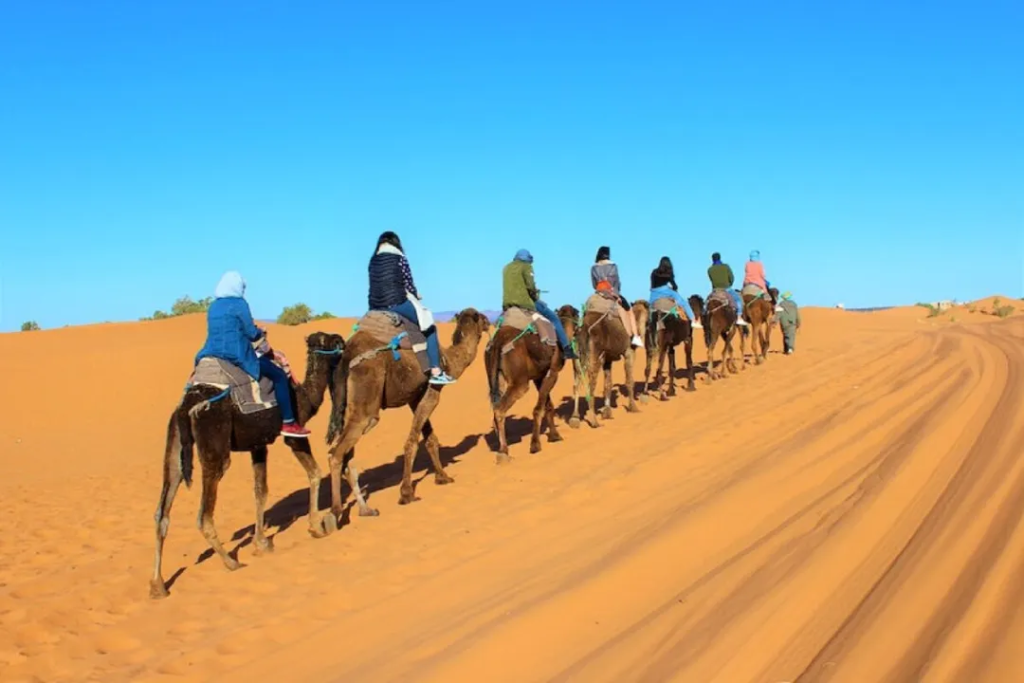
Merzouga & Sahara Desert Tours – Camel rides and desert camps provide unforgettable family experiences.
Casablanca & Rabat – Modern amenities, parks, and historical sites suitable for families.
These destinations combine culture, adventure, and safety, making them ideal for families traveling with kids.
Health and Medical Safety for Families
Health and medical safety is an important consideration for families visiting Morocco:
Medical facilities – Major cities have hospitals and clinics with modern care.
Travel insurance – Recommended for all family members in case of emergencies.
Food and water precautions – Drink bottled water, avoid raw street food for children, and ensure proper hygiene.
Vaccinations – Routine vaccinations are sufficient for most travelers; consult your doctor before travel.
With these precautions, families can stay healthy and worry-free while enjoying Morocco’s attractions.
Transportation Safety for Children
Transportation in Morocco is generally safe, but families should take extra care with children:
Licensed taxis and buses – Use reputable transport services for city travel.
Seat belts and child seats – Essential for safety when traveling by car.
Avoid overcrowded public transport – Especially during peak hours.
Organized Tours– A safe option for families visiting remote areas or deserts.
By planning travel routes carefully and using safe transportation options, families can explore Morocco efficiently and securely.
H2: Is Morocco Safe at Night?
Morocco is generally safe at night in tourist areas, but visitors should exercise caution and common sense. Most major cities, including Marrakech, Casablanca, Fes, and Rabat, have well-lit streets and active nightlife in central areas, making evening exploration possible for tourists.
However, like any destination, some areas can be riskier after dark. Petty theft, scams, or unwanted attention are more likely at night, especially in less crowded streets or poorly lit neighborhoods. Following local guidance and safety tips ensures a secure and enjoyable nighttime experience in Morocco.
Walking at Night in Moroccan Cities
Walking at night is generally safe in busy, well-populated areas such as medinas, city centers, and tourist districts. Streets in Marrakech’s Jemaa el-Fnaa square or Casablanca’s Corniche are active after dark and frequently patrolled by police.
Travelers should avoid:
Isolated or dimly lit alleys
Quiet residential neighborhoods
Unfamiliar areas without proper guidance
If walking at night, stay alert, walk with companions, and carry only essentials to minimize risks.
Safe Areas vs Areas to Avoid After Dark
Safe Areas:
Central tourist zones and medinas in Marrakech, Fes, Rabat, and Essaouira
Main streets and commercial districts
Popular cafés, restaurants, and hotel surroundings
Areas to Avoid After Dark:
Remote neighborhoods or industrial zones
Empty alleyways in medinas
Less-traveled areas in suburban cities
Sticking to well-trafficked areas and using taxis or ride-sharing options at night is the safest strategy for tourists.
Night Safety Tips for Tourists
To stay safe while enjoying Morocco at night:
Travel in groups whenever possible.
Use licensed taxis or rideshares instead of walking long distances.
Keep valuables secure – avoid displaying expensive items like jewelry or electronics.
Plan your route ahead – know the safe streets and main thoroughfares.
Trust your instincts – if a street or area feels unsafe, leave immediately.
By following these simple precautions, tourists can enjoy Morocco’s vibrant nightlife, evening markets, and cultural experiences safely.
Is Morocco Safe for Americans and Other Foreign Travelers?
Morocco is generally safe for Americans and other foreign travelers, with millions of international visitors enjoying the country each year. Popular destinations like Marrakech, Fes, Casablanca, Rabat, and Chefchaouen have strong security measures in place, including visible police presence and tourist assistance services.
While petty theft or scams can occur in crowded tourist areas, violent crime against foreigners is extremely rare. Travelers who plan ahead, stay aware of their surroundings, and follow local customs will find Morocco to be a secure and culturally rich destination.
Is Morocco Safe for Americans?
Yes, Morocco is safe for American tourists. The U.S. Department of State classifies Morocco as a generally safe travel destination, advising only standard precautions. Americans visiting Morocco are unlikely to face serious security issues, especially when traveling in major cities and popular tourist zones.
For safety, American travelers should:
Use licensed transportation and reputable guides.
Keep passports and valuables secure.
Be aware of petty theft in busy markets.
Respect local customs and cultural norms.
By following these tips, Americans can enjoy Morocco’s historic cities, desert tours, and vibrant culture with confidence.
Safety for European, Canadian, and UK Travelers
Morocco is also safe for European, Canadian, and UK travelers. Visitors from these countries report few security issues, and most travel without any incidents. Tourist infrastructure caters well to international visitors, and English, French, and Spanish are widely spoken, making navigation easy.
Travelers from these countries should still take standard precautions, including:
Avoiding isolated areas at night.
Using official taxis or transportation services.
Being cautious of overpriced services or souvenir scams.
Following these steps ensures a stress-free and enjoyable experience for all foreign travelers.
How Moroccans Treat Foreign Visitors
Moroccans are known for their hospitality and friendliness toward tourists. Visitors are often welcomed warmly in hotels, markets, and cultural sites. While you may encounter locals offering assistance or selling goods, polite interaction usually resolves any misunderstandings.
Respect for local customs, modest dress, and polite behavior helps ensure positive experiences with Moroccans. Many travelers note that this welcoming attitude makes Morocco particularly appealing for first-time international visitors
Safety in Major Moroccan Cities
Morocco’s major cities are generally safe for tourists, with a strong police presence and well-developed tourism infrastructure. While petty theft and minor scams can occur, violent crime against visitors is rare. Each city has its own safety profile, and understanding local norms and areas to avoid helps travelers navigate Morocco’s cities confidently.
Is Marrakech Safe for Tourists?
Yes, Marrakech is safe for tourists, especially in the central medina, Jemaa el-Fnaa square, and tourist districts. The city has a visible tourist police presence, making most areas secure during the day and evening.
Tips for staying safe in Marrakech:
Be cautious in crowded souks to avoid pickpocketing.
Negotiate prices for goods and services to prevent overcharging.
Stick to well-lit streets at night and avoid isolated alleys.
With common-sense precautions, Marrakech offers a rich cultural experience and vibrant nightlife without compromising safety.
Is Casablanca Safe to Visit?
Casablanca is Morocco’s largest city and economic hub, and it is generally safe for tourists, especially in main districts and popular attractions like the Hassan II Mosque, Corniche, and Old Medina.
Safety tips for Casablanca:
Avoid wandering alone in less populated neighborhoods after dark.
Use licensed taxis or rideshare apps for transportation.
Keep valuables out of sight in busy areas.
By following these simple safety measures, visitors can enjoy Casablanca’s modern amenities and historic sites safely.
Is Fes Safe for Travelers?
Fes, with its ancient medina and cultural heritage, is safe for travelers, particularly in tourist zones and popular riads. The city is well-policed, and local guides are available to assist visitors.
Travel tips for Fes:
Stick to well-known streets and guided tours inside the medina.
Watch out for pickpockets in crowded markets.
Avoid isolated areas at night.
Fes offers a unique historical experience that is accessible to tourists who follow basic safety precautions.
Is Tangier Safe for Tourists?
Tangier, located on Morocco’s northern coast, is safe for tourists, with a friendly atmosphere and strong tourism infrastructure. The city’s old medina, port area, and beaches are popular and generally secure.
Safety tips for Tangier:
Stay alert in crowded areas like markets and the ferry port.
Avoid wandering alone in less populated areas after dark.
Use official taxis or arranged transport for excursions outside the city.
Tangier is welcoming for international visitors and provides a safe gateway to Morocco’s northern regions.
H2: Travel Safety Tips for Visiting Morocco
Visiting Morocco is a safe and rewarding experience when travelers follow practical safety measures. From planning your itinerary to staying alert in busy markets, simple precautions can make your trip enjoyable, stress-free, and secure. These travel safety tips cover essential advice for first-time visitors, families, and solo travelers alike.
Essential Safety Tips Before You Go
Before traveling to Morocco, consider these essential safety tips:
Research destinations – Know the areas you plan to visit and understand local customs.
Keep copies of important documents – Passport, visa, and travel insurance details.
Purchase travel insurance – Covers health emergencies, lost luggage, or trip interruptions.
Register with your embassy – Especially for Americans, Canadians, and EU citizens.
Learn basic local phrases – Arabic or French phrases can help navigate situations.
Plan accommodations carefully – Choose well-reviewed hotels or riads in safe neighborhoods.
Following these steps helps visitors avoid problems before they even arrive in Morocco.
Transportation and Road Safety
Transportation in Morocco is generally safe, but travelers should stay alert:
Use licensed taxis and reputable rideshares – Negotiate fares beforehand if meters are not used.
Driving safety – Roads are mostly safe, but watch for scooters, pedestrians, and crowded city streets.
Intercity travel – Buses and trains are reliable; choose well-known operators.
Camel rides and desert excursions – Only book with licensed tour operators for safety.
By using trusted transportation options, visitors can explore Morocco efficiently and safely.
Health, Food, and Water Safety
Health and hygiene are important for a worry-free trip to Morocco:
Drink bottled water – Avoid tap water, including in hotels and restaurants.
Food safety – Eat cooked food, wash fruits and vegetables, and avoid street food for children.
Medical care – Major cities have modern hospitals and clinics; bring any prescription medications.
Vaccinations – Routine vaccines are usually sufficient; check with your doctor before traveling.
Sun protection and hydration – Morocco’s climate can be hot, especially in desert regions.
By taking these precautions, travelers can stay healthy and enjoy Morocco’s sights without concerns.
Final Verdict – Is Morocco Safe to Travel?
Morocco is generally safe for tourists, offering a rich blend of culture, history, and adventure with minimal safety concerns. Millions of travelers visit every year without incident, and the country continues to maintain strong security measures, stable governance, and tourist-friendly infrastructure.
While minor risks like petty theft or tourist scams exist, these are manageable with awareness and preparation, making Morocco a secure destination for most travelers.
Who Should Visit Morocco?
Morocco is suitable for:
First-time international travelers seeking a unique cultural experience.
Solo travelers and women who follow basic safety precautions.
Families and children looking for adventure, historic cities, and desert tours.
Adventure seekers exploring mountains, beaches, and the Sahara desert.
With proper planning and a respect for local customs, these travelers can enjoy a safe, memorable, and enriching experience in Morocco.
Who Should Take Extra Precautions?
While Morocco is generally safe, certain groups should take extra precautions:
Solo travelers in remote areas – especially outside main cities or desert excursions.
Women traveling alone – be aware of cultural norms and public behavior.
Travelers unfamiliar with Moroccan customs – understanding local etiquette reduces unwanted attention.
Visitors driving in rural regions – roads may be narrow, poorly lit, or unfamiliar.
By taking extra care in these situations, travelers can minimize risks and have a smooth trip.
Overall Safety Summary
In summary, Morocco is a safe, welcoming, and exciting destination for tourists from around the world. Key takeaways include:
Major cities and tourist areas are secure, with visible police presence and tourism support.
Violent crime is rare, while petty theft is the most common issue.
Cultural awareness and basic precautions go a long way in ensuring safety.
Families, solo travelers, and first-time visitors can explore Morocco confidently.
With careful planning, respect for local customs, and attention to safety tips, travelers can fully enjoy Morocco’s beauty, history, and culture without worry.
Your article is really good, thank you for sharing this information about Morocco